The Major Arcana in Order: All 22 Cards Explained
The 22 Major Arcana cards tell the story of a soul's journey from innocence to wisdom. Walk through each card in order and understand the narrative arc that connects them all.
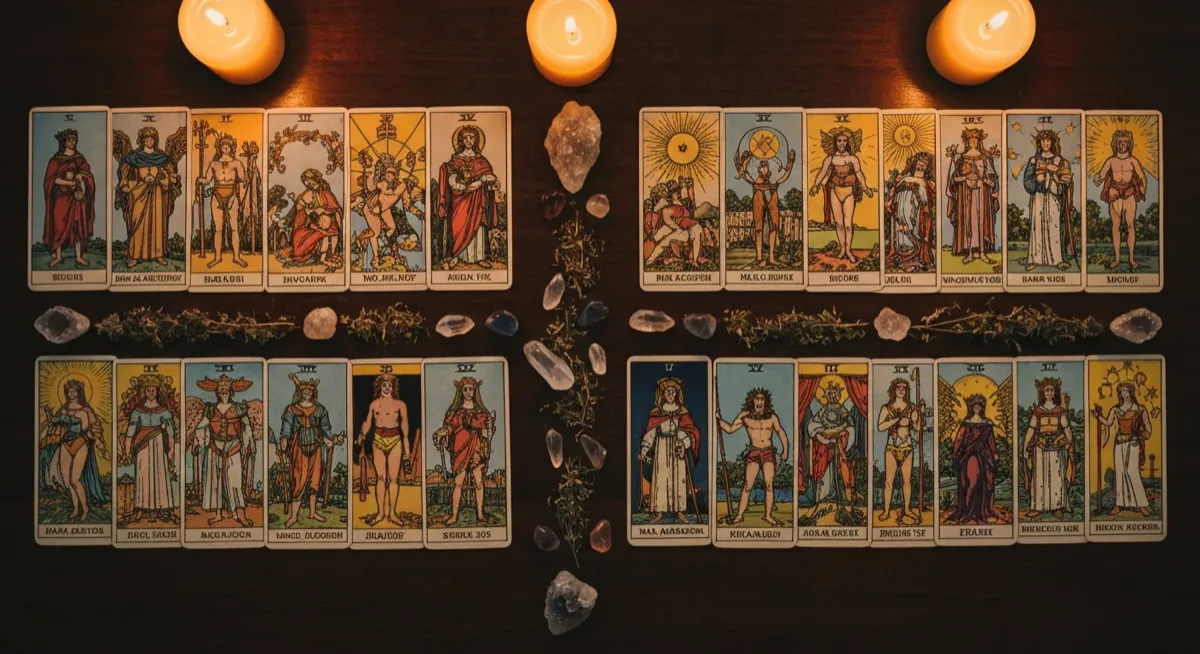
The Fool's Journey
The 22 Major Arcana cards are not a random collection of symbols. Read in order from 0 to 21, they tell a single continuous story known as the Fool's Journey — the archetypal narrative of a soul moving from complete innocence through every major human experience toward ultimate integration and wholeness.
The Fool begins with nothing but pure potential and boundless trust. Over the course of 21 encounters — with authority figures, lovers, inner demons, catastrophic loss, and profound hope — the Fool is transformed from a naive wanderer into a wise, complete being who has earned their place in the world through lived experience.
This journey is not just a tarot concept. It mirrors the structure of every great myth, every coming-of-age story, and every genuine spiritual path. Joseph Campbell called it the Hero's Journey. Carl Jung called it individuation. The tarot laid it out in 22 painted cards centuries before either of them put it into words.
Understanding the Fool's Journey transforms how you read tarot. Instead of seeing individual cards as isolated meanings, you see them as chapters in a larger story. When Death appears in a reading, it is not an ending — it is the specific chapter where the old self must die so the new self can be born. That narrative context makes every card richer and more meaningful.
Cards 0-5: The Awakening
The Fool (0) steps off the cliff with absolute trust, carrying only a small bag of potential. This is the moment before the journey begins — pure possibility, zero experience, total freedom. In readings, The Fool signals a new beginning where you must leap before you are ready.
The Magician (I) is the Fool's first realization: I have power. The Magician looks at the tools on his table — a cup, a sword, a wand, a pentacle — and understands that he can shape reality through focused intention. This is the discovery of personal agency and willpower.
The High Priestess (II) introduces the Fool to the inner world. After the outward action of The Magician, she sits in silence between two pillars and teaches that some knowledge cannot be obtained through doing. It must be received through stillness, intuition, and listening to the subconscious.
The Empress (III) is the Fool's encounter with abundance, sensuality, and the creative force of nature. She represents mothering energy — the ability to nurture ideas, relationships, and life itself into full bloom. After the stillness of The High Priestess, The Empress teaches that growth requires both receptivity and active cultivation.
The Emperor (IV) provides structure. Where The Empress nurtures, The Emperor builds. He represents authority, discipline, and the creation of order from chaos. The Fool learns that freedom without structure leads nowhere, and that true power comes from channeling energy into organized systems.
The Hierophant (V) introduces tradition, education, and spiritual community. The Fool, having learned about personal power and earthly authority, now encounters the power of shared belief systems and inherited wisdom. The Hierophant teaches that you do not have to figure everything out alone — there are teachers, traditions, and communities that hold accumulated knowledge worth receiving.
Cards 6-10: The Testing
The Lovers (VI) presents the Fool with the first major choice. This is not just about romantic love — it is about the fundamental human experience of choosing one path over another and accepting the consequences. The Lovers teaches that alignment between head and heart is the foundation of every meaningful decision.
The Chariot (VII) is victory through willpower. The Fool has made a choice and now charges forward with determination, holding opposing forces in balance through sheer force of will. This is the card of the driven achiever who conquers obstacles through discipline and focus. But the shadow of The Chariot is that willpower alone cannot solve everything.
Strength (VIII) teaches a different kind of power. Where The Chariot used force, Strength uses patience, compassion, and gentle persistence. The woman who calmly closes the lion's mouth represents the ability to master your instincts not by suppressing them but by befriending them. This is emotional intelligence in its purest form.
The Hermit (IX) sends the Fool into solitude. After the outward victories of The Chariot and the emotional mastery of Strength, The Hermit says: now go inward. Climb the mountain alone. Find the light that guides you from within, not the light that comes from others' approval. This is the card of meditation, introspection, and hard-won wisdom.
The Wheel of Fortune (X) spins, and the Fool learns that life is cyclical. What goes up comes down. What goes down comes up. This card teaches the humility of accepting that not everything is within your control. Fate, timing, and luck are real forces, and wisdom means working with the wheel rather than raging against it.
Cards 11-15: The Descent
Justice (XI) demands accountability. The Fool faces the consequences of every choice made so far — good and bad. Justice is not punishment. It is cause and effect playing out with perfect fairness. This card teaches that actions have consequences and that true fairness requires honesty, even when honesty is painful.
The Hanged Man (XII) turns the Fool's world upside down — literally. Suspended from one foot, the Fool sees everything from a completely new perspective. This card represents voluntary sacrifice, surrender, and the profound insight that comes from letting go of control. Sometimes the most powerful thing you can do is nothing.
Death (XIII) is the great transformation. Not physical death, but the dying of an identity, a phase, a relationship, or a way of being that has served its purpose. Death clears the ground. It is painful, non-negotiable, and absolutely necessary for the next stage of growth. The Fool must let the old self die so the new self can emerge.
Temperance (XIV) follows Death with healing. After the destruction, Temperance brings balance, patience, and the slow art of integration. The angel pouring water between two cups represents the blending of opposites — old and new, grief and hope, loss and possibility. The Fool learns that healing is not a single event but a gradual, alchemical process.
The Devil (XV) confronts the Fool with shadow — the parts of the self that operate through addiction, attachment, materialism, and fear. The chains around the figures' necks are loose enough to remove, but they choose to stay. The Devil teaches that bondage is often voluntary, and freedom requires seeing the chains for what they are.
Cards 16-21: The Return
The Tower (XVI) is the most dramatic card in the deck. Lightning strikes. The structure collapses. The crown falls. Everything the Fool built on a false foundation comes crashing down. This is not punishment — it is liberation through destruction. The Tower clears away everything that was not built on truth, and while the experience is devastating, it is the necessary precondition for authentic rebuilding.
The Star (XVII) follows The Tower with gentle, healing light. After the destruction, a naked figure kneels by water under a sky full of stars, pouring water onto the land and back into the pool. This is hope renewed. Faith restored. The quiet knowledge that even after the worst has happened, the universe is still generous. The Star teaches that vulnerability after loss is not weakness — it is the beginning of genuine renewal.
The Moon (XVIII) takes the Fool into the deepest darkness before dawn. The Moon governs illusion, confusion, fear, and the subconscious realm where nothing is as it seems. Two towers stand like sentinels at the edge of the unknown, and a path leads into the darkness between them. The Fool must walk that path without certainty, guided only by the dim light of the moon. This card teaches that not all questions have immediate answers, and some truths can only be found by walking through fear.
The Sun (XIX) breaks through. After the darkness of The Moon, The Sun brings total clarity, joy, and vitality. A child rides a white horse under a blazing sun, radiating pure happiness and confidence. This is the card of success, optimism, and the understanding that you have earned your place in the light. The Sun teaches that joy is not naive — it is the natural state of a soul that has walked through shadow and emerged whole.
Judgement (XX) calls the Fool to a final reckoning. Figures rise from their graves, responding to the angel's trumpet. This is not judgment as punishment — it is the moment of awakening where you look at your entire journey with clear eyes, accept everything that happened, and answer the call to your highest purpose. Judgement teaches that self-acceptance and purpose are the same thing.
The World (XXI) is the final card. The dancer in the center of a laurel wreath represents completion, integration, and the achievement of wholeness. The Fool has become everything — experienced every joy, survived every loss, confronted every shadow, and emerged as a fully realized being. The World is not the end. It is the moment before the next Fool's Journey begins, because growth is a spiral, not a line.
Continue Exploring
More From the Blog
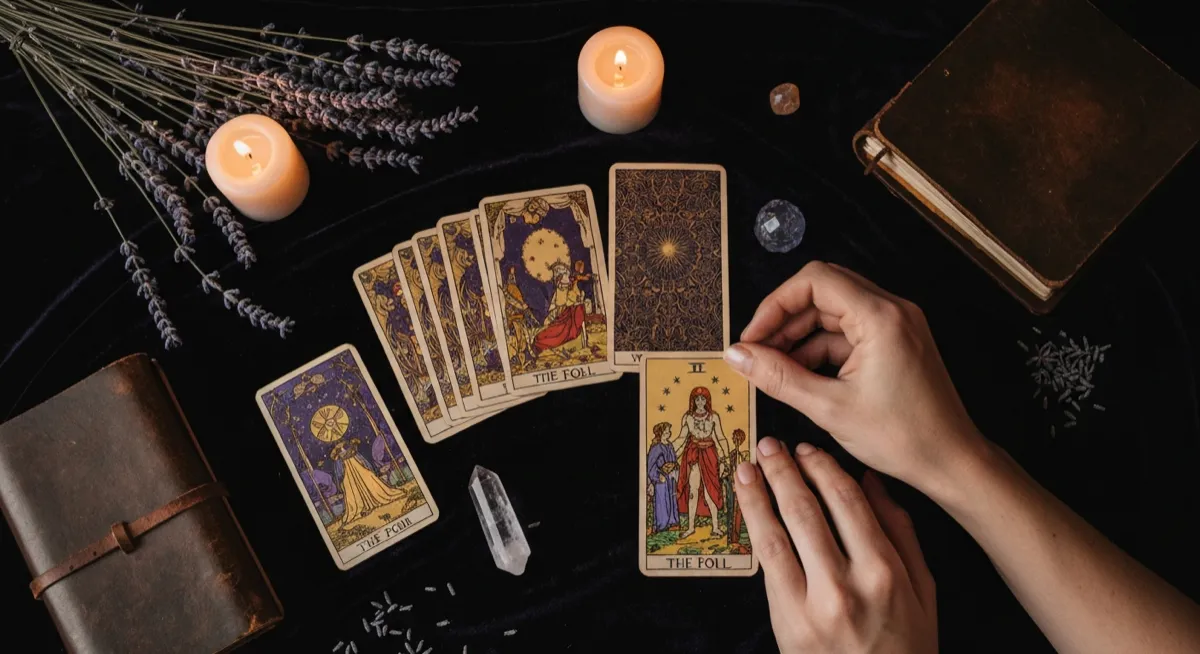
How to Read Tarot Cards for Beginners
Everything you need to start reading tarot cards today. From choosing your first deck to performing your first three-card spread, this guide walks you through each step without overwhelming you.
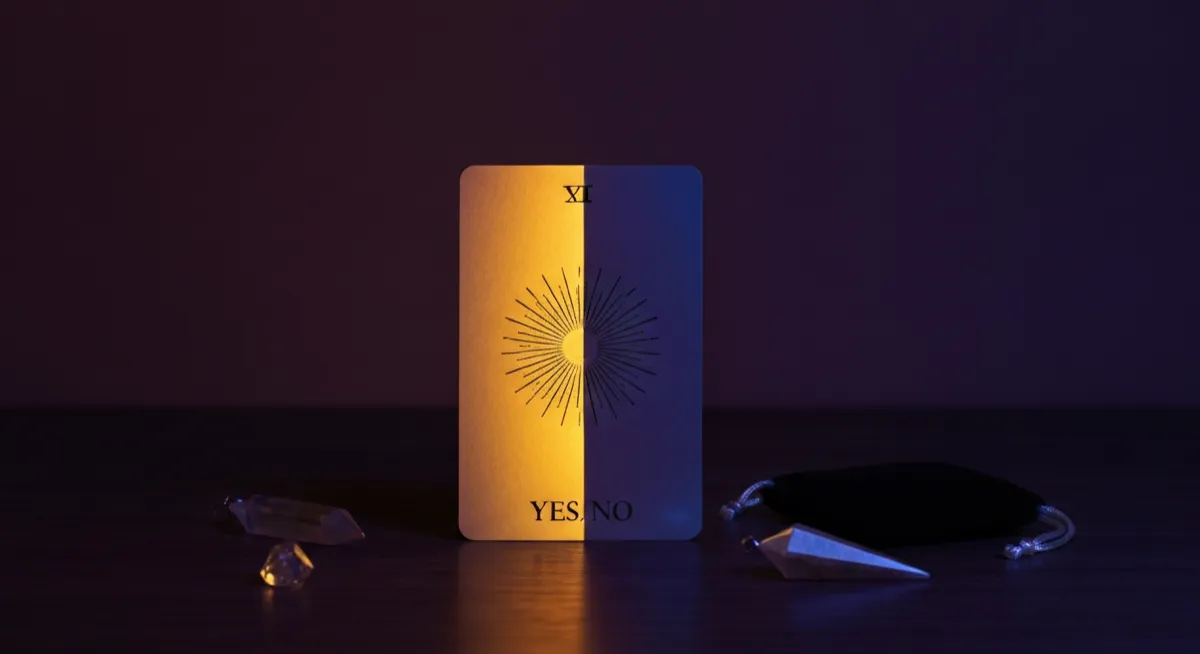
Yes or No Tarot: How It Works and What Each Card Means
Sometimes you need a straight answer. Yes or no tarot gives you one — but context matters. Learn how this popular spread works, what every card means, and when a simple yes or no is the right question to ask.
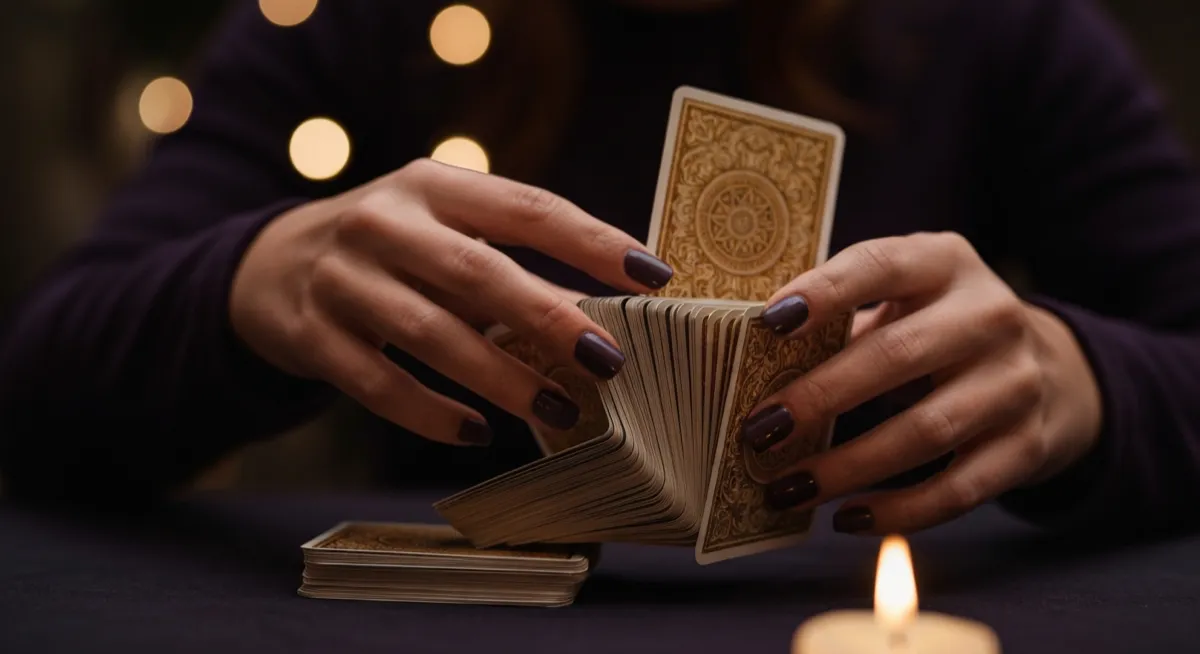
How to Shuffle Tarot Cards: 5 Methods for Every Reader
There is no wrong way to shuffle tarot cards, but some methods feel more natural than others. Here are five shuffling techniques, tips for breaking in a new deck, and how to know when to stop.