Yes or No Tarot: How It Works and What Each Card Means
Sometimes you need a straight answer. Yes or no tarot gives you one — but context matters. Learn how this popular spread works, what every card means, and when a simple yes or no is the right question to ask.
What Is a Yes or No Tarot Reading?
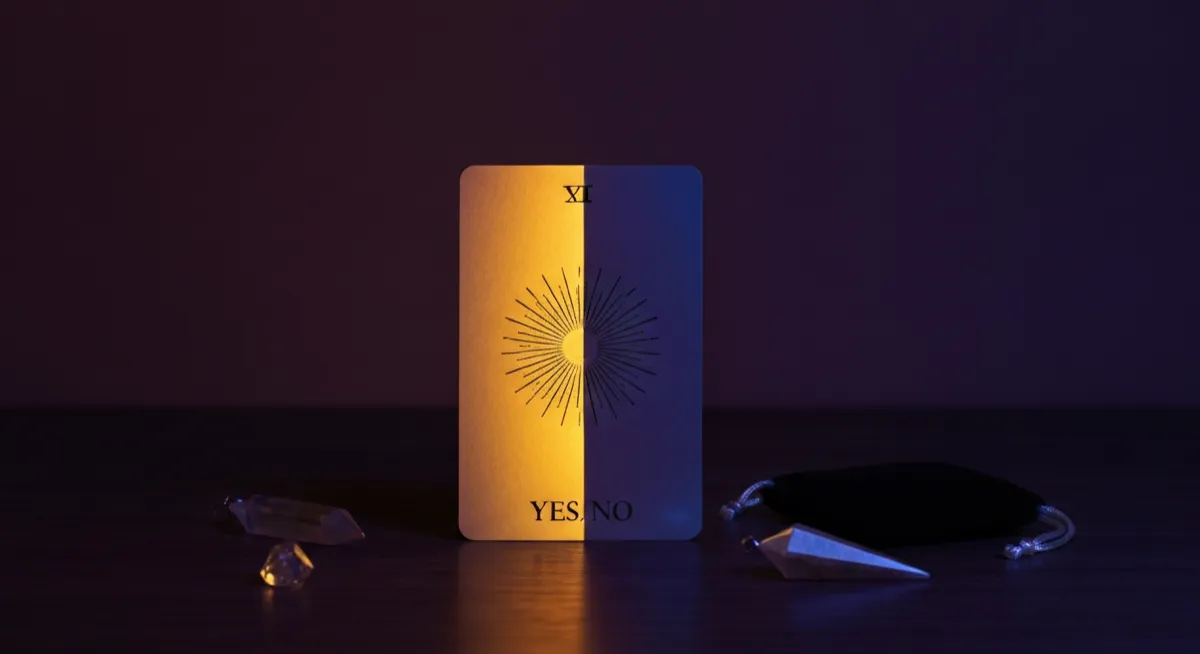
A yes or no tarot reading is the simplest form of tarot divination. You ask a clear, direct question that can be answered with yes, no, or maybe. You draw a single card. Based on the card's traditional energy and whether it appears upright or reversed, you receive your answer.
This type of reading has been popular for centuries because it cuts through complexity. When you are agonizing over a decision, turning the question into a yes-or-no format forces you to identify what you actually want to know. Instead of the vague "What should I do about my job?", you ask "Should I accept this job offer?" That clarity alone can be therapeutic.
The yes or no spread is also the most accessible entry point for people who are new to tarot. You do not need to understand complex spread positions or the relationships between multiple cards. One question, one card, one answer. It is tarot distilled to its essence.
How to Do a Yes or No Reading
The process is straightforward, but small details matter.
First, frame your question clearly. It must be answerable with yes or no. Avoid double-barreled questions like "Should I move and start a new job?" — that is two questions, and the card can only answer one. Pick the question that matters most.
Second, shuffle your deck while holding the question in your mind. There is no required shuffling technique. Overhand shuffle, riffle shuffle, or simply spread the cards on a table and swirl them around. What matters is that you are focused on your question while your hands work.
Third, when you feel ready — and you will feel it as a subtle sense of "enough" — stop shuffling. Cut the deck or fan the cards and select one. Turn it over.
Fourth, read the answer. Upright cards lean toward yes. Reversed cards lean toward no. But each of the 78 cards has its own specific answer, and some upright cards still say no while some reversed cards say maybe. The card's inherent energy matters more than its orientation alone.
The General Rule: Upright vs. Reversed
The baseline principle is simple. Most upright cards carry forward-moving, affirmative energy and indicate yes. Most reversed cards carry blocked, delayed, or cautionary energy and indicate no or not yet.
But tarot is never that black and white. Some cards are inherently cautionary even when upright. The Tower upright does not say "yes, everything will be great." It says "yes, something is about to change dramatically, and it will be uncomfortable before it gets better." That is technically a yes, but it comes with a serious warning.
Similarly, The High Priestess upright often answers maybe rather than yes. She represents hidden knowledge and timing that has not yet revealed itself. When she appears, the honest answer is that you do not have enough information to decide right now.
This is why understanding each card's individual energy matters more than memorizing a simple upright-equals-yes rule. The best yes or no readings combine the card's orientation with its traditional meaning to give you an answer that is both direct and nuanced.
Quick Reference: Major Arcana Answers
The Major Arcana cards carry the strongest, clearest answers in a yes or no reading because they represent powerful archetypal energies.
Strong yes cards include The Sun (the most positive card in the entire deck — an enthusiastic, unqualified yes), The World (completion and success — yes, you will reach your goal), The Star (hope and healing — yes, things are improving), The Empress (abundance and growth — yes, especially for matters of creativity and love), and The Magician (you have everything you need — yes, take action now).
Strong no cards include The Tower (upheaval and disruption — not in the way you are hoping), The Devil (bondage and unhealthy patterns — no, this path leads to trouble), and Death reversed (resistance to necessary change — no, you are holding onto something that needs to end).
Maybe cards include The High Priestess (hidden information — wait for more clarity), The Hanged Man (suspension and new perspective — not yet, but patience will pay off), and The Moon (illusion and confusion — things are not what they seem, so do not commit yet).
When to Use Yes or No Tarot
Yes or no readings work best for specific, time-bound decisions where you have already done your thinking and need a final nudge. "Should I go to the interview tomorrow?" is perfect. "Will I ever find love?" is too broad and too emotionally loaded for a single card to address meaningfully.
This spread also works well as a daily check-in. Pull a card each morning and ask "Will today bring positive energy?" The answer sets a tone for your day without requiring a deep reading.
Where yes or no readings fall short is in complex emotional situations that require nuance. If you are navigating a painful breakup, a single card cannot capture the full picture. For those situations, a three-card spread or a Celtic Cross will serve you much better. The yes or no spread is a scalpel, not a Swiss Army knife. Use it for precision, not for everything.
Tips for Accurate Yes or No Readings
Ask one question at a time. If you bundle multiple concerns into a single question, the card cannot give you a clear answer because it does not know which part of the question to address.
Do not re-pull if you do not like the answer. This is the cardinal rule of yes or no tarot. The first card you draw is your answer. Pulling a second or third card because the first one said no does not change reality — it just creates confusion. Sit with the answer, even when it stings.
Pay attention to the card's full message, not just the yes or no. If you ask "Should I take this job?" and you draw the Seven of Pentacles (yes, but it will require patience and sustained effort), that qualifier is just as important as the yes. The card is telling you the job is right, but it will not be an overnight success story. That kind of nuance is what separates a good reading from a coin flip.
Finally, trust your gut reaction when you turn the card over. Before your rational mind starts analyzing, your intuition already knows what the card means for your situation. That split-second feeling is often the most honest part of the entire reading.
Continue Exploring
More From the Blog
How to Read Tarot Cards for Beginners
Everything you need to start reading tarot cards today. From choosing your first deck to performing your first three-card spread, this guide walks you through each step without overwhelming you.
How to Shuffle Tarot Cards: 5 Methods for Every Reader
There is no wrong way to shuffle tarot cards, but some methods feel more natural than others. Here are five shuffling techniques, tips for breaking in a new deck, and how to know when to stop.
Tarot Spreads for Beginners: 6 Layouts You Can Try Today
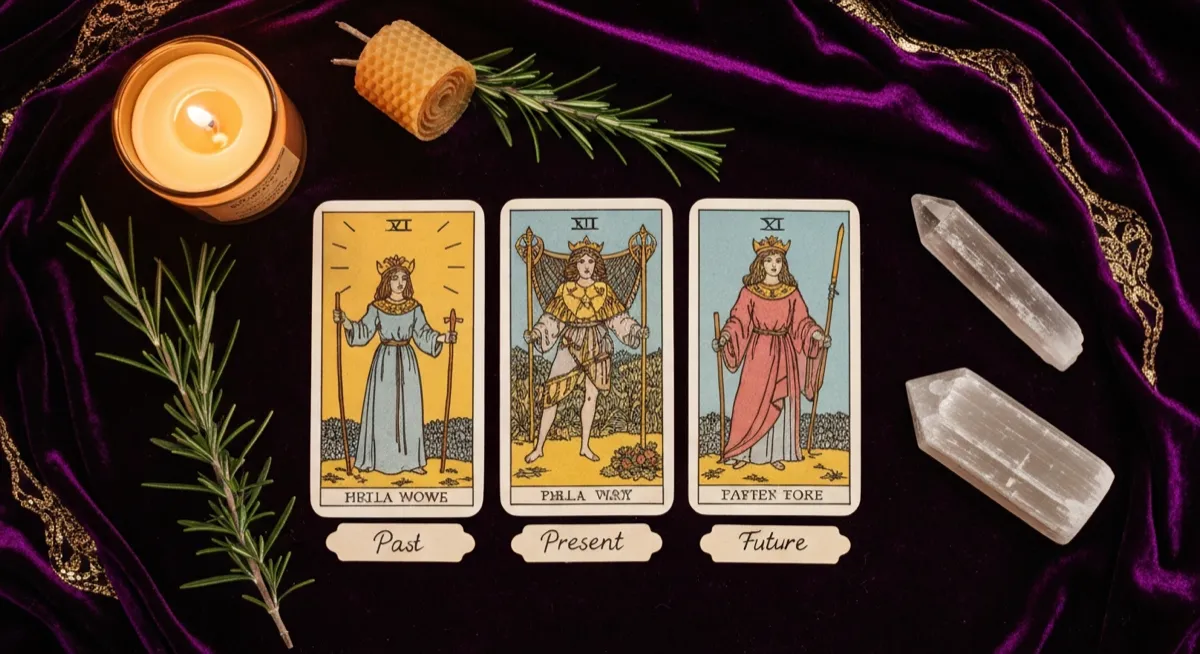
Tarot spreads give structure to your readings. Start with these six beginner-friendly layouts — from a simple daily card pull to the powerful Celtic Cross — and learn which spread to use for every type of question.