Can You Read Your Own Tarot Cards?
One of the most common tarot myths is that you should not read for yourself. The truth is the opposite: self-reading is the foundation of every strong tarot practice. Here is how to do it well.
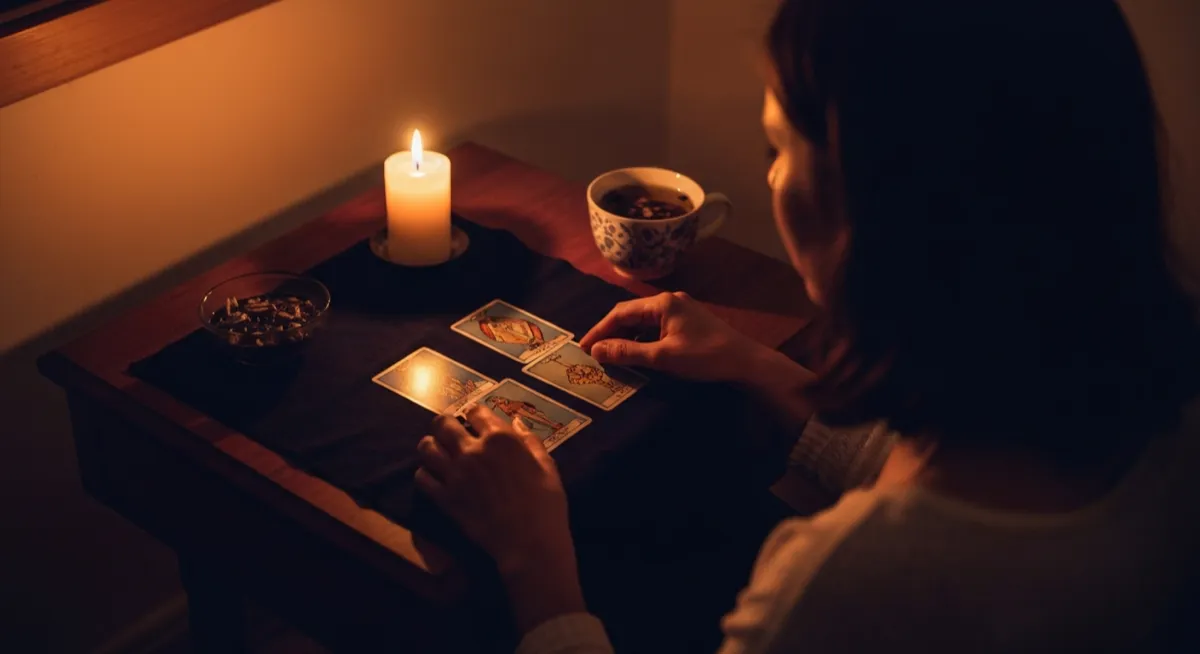
The Myth That Will Not Die
Walk into almost any tarot discussion online, and someone will confidently declare that you should not read tarot cards for yourself. The reasons given vary: your emotions will cloud the reading, you will only see what you want to see, the cards do not work when you are both the reader and the querent. Some people even claim it is bad luck or spiritually dangerous.
None of this is true. Self-reading is not only possible — it is how most tarot readers learned their craft in the first place. Before you ever read for a friend, a client, or a stranger, you read for yourself. Those personal readings are where you built your relationship with the cards, developed your intuition, and learned to trust the messages that came through.
The idea that self-reading does not work probably originated as a marketing tool. If you believe you cannot read your own cards, you need to pay someone else to do it. That is convenient for professional readers but unhelpful for anyone trying to develop their own practice. The truth is that self-reading is not just acceptable — it is essential.
Why Self-Reading Works
Tarot works through a combination of symbolic interpretation and intuitive response. When you draw a card, your subconscious mind connects the card's imagery and meaning to your personal situation in ways that your conscious mind might not immediately recognize. This process works whether you are reading for yourself or someone else.
In fact, self-reading has a distinct advantage: you know your own situation more intimately than any outside reader ever could. You know the backstory, the nuances, the unspoken fears, and the hopes you have not told anyone about. This depth of context means that your interpretation of a card can be more precise and personally relevant than an interpretation from someone who only knows what you have told them.
The professional reader has one advantage: objectivity. They do not have a personal stake in the outcome, so they can read challenging cards without flinching. But objectivity is a skill you can develop in your own self-readings. It is not an inherent quality that only other people possess.
The Real Challenge: Emotional Bias
The critics are not entirely wrong about one thing: emotional bias is a real obstacle in self-reading. When you desperately want a specific answer — yes, he loves me; yes, I should take the job; yes, everything will be fine — it is tempting to interpret ambiguous cards in your favor and dismiss cards that say what you do not want to hear.
This does not mean self-reading is broken. It means self-reading requires honesty, which is a skill you develop over time. The same emotional bias can affect a professional reader too, especially if they want to make their client happy or avoid delivering painful truths.
The difference between a good self-reading and a biased one is not some mystical quality. It is your willingness to accept the answer the cards actually give rather than the answer you were hoping for. That willingness is something you build through practice and a genuine commitment to using tarot as a truth-telling tool rather than a comfort blanket.
How to Stay Objective
Read the card before you interpret it. When you turn over a card, look at the image and note its standard meaning before you start connecting it to your personal situation. What does the Three of Swords mean in general? Heartbreak, painful truth, grief. Now apply that to your question. This approach prevents you from jumping straight to a wishful interpretation.
Write down your readings. A journal creates accountability. When you write down what you see in the cards, you create a record that you can revisit later to check whether your interpretation was honest or colored by wishful thinking. Over time, your journal shows you exactly where your biases tend to appear.
Set a firm rule: no re-pulling. If you draw a card you do not like, do not shuffle and try again. The first card is your answer. Accepting difficult cards builds the muscle of objectivity faster than any other practice.
Ask a friend to verify. After doing a self-reading on a topic where you feel especially biased, describe the cards you drew (without your interpretation) to a trusted friend who knows tarot. Ask what they see. Their fresh perspective can reveal blind spots in your own reading.
Give it time. When a reading about a charged topic feels confusing or triggers a strong emotional reaction, put the cards away and come back to your notes the next day. Distance creates clarity. What felt devastating or euphoric in the moment often reveals a more balanced truth 24 hours later.
When Self-Reading Falls Short
There are legitimate situations where getting an outside reading is the better choice, not because self-reading does not work, but because the emotional stakes are too high for you to maintain objectivity.
Major life crises — the death of a loved one, a serious health diagnosis, the end of a marriage — produce emotional states that can overwhelm your ability to read clearly. In these moments, your need for comfort or certainty can be so powerful that every card becomes a mirror of your fear rather than a source of genuine insight. Seeking a trusted outside reader during these times is not weakness. It is wisdom.
Similarly, when you have been reading about the same topic obsessively and the readings have become repetitive or contradictory, it is a sign that your emotional investment has crossed the line from inquiry into desperation. Step back, put the deck away, and either consult another reader or simply give the situation time to unfold on its own.
For everything else — daily guidance, career questions, relationship check-ins, personal growth, creative decisions — self-reading is not just adequate. It is the best tool available, because nobody understands your life better than you do.
Building a Self-Reading Practice
Start with daily single-card pulls. Low stakes, low emotional charge, high learning value. Ask "What do I need to know today?" and draw one card. Interpret it, jot down a few notes, and move on. This daily habit builds your fluency and your comfort with self-reading simultaneously.
Gradually increase complexity. After a few weeks of daily pulls, try a three-card spread for yourself. Then a five-card spread. Then the Celtic Cross. Each step up in complexity challenges you to maintain your objectivity across more cards and more nuanced positions.
Read for real questions, not test questions. Do not ask the cards something you already know the answer to just to see if they get it right. That is a test of the cards, not a reading. Ask genuine questions about situations where you truly want guidance. The emotional engagement is what makes the reading meaningful.
Review your journal monthly. Look back at readings from four weeks ago. Did the cards accurately reflect what was happening? Did your interpretations hold up, or did bias lead you astray? This honest review process is the fastest way to improve your self-reading accuracy.
The goal is not perfect objectivity — that is impossible for any human. The goal is honest engagement with the cards, a willingness to hear difficult truths, and the self-awareness to recognize when your emotions are speaking louder than your intuition. That is a practice worth building.
Continue Exploring
More From the Blog
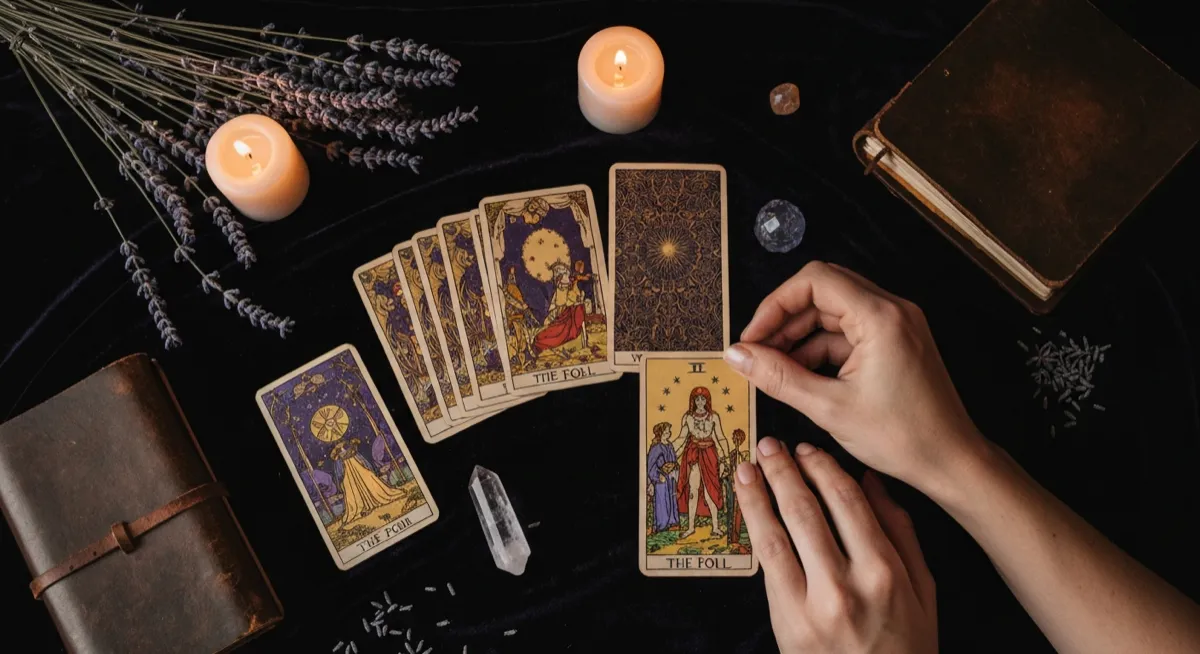
How to Read Tarot Cards for Beginners
Everything you need to start reading tarot cards today. From choosing your first deck to performing your first three-card spread, this guide walks you through each step without overwhelming you.
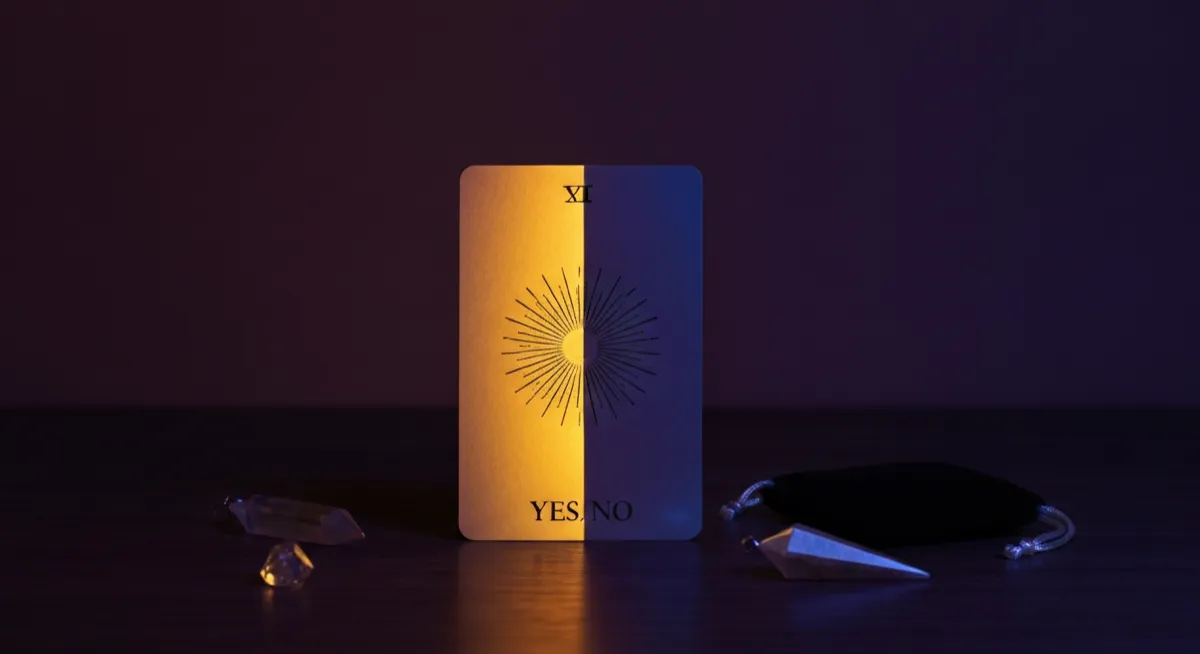
Yes or No Tarot: How It Works and What Each Card Means
Sometimes you need a straight answer. Yes or no tarot gives you one — but context matters. Learn how this popular spread works, what every card means, and when a simple yes or no is the right question to ask.
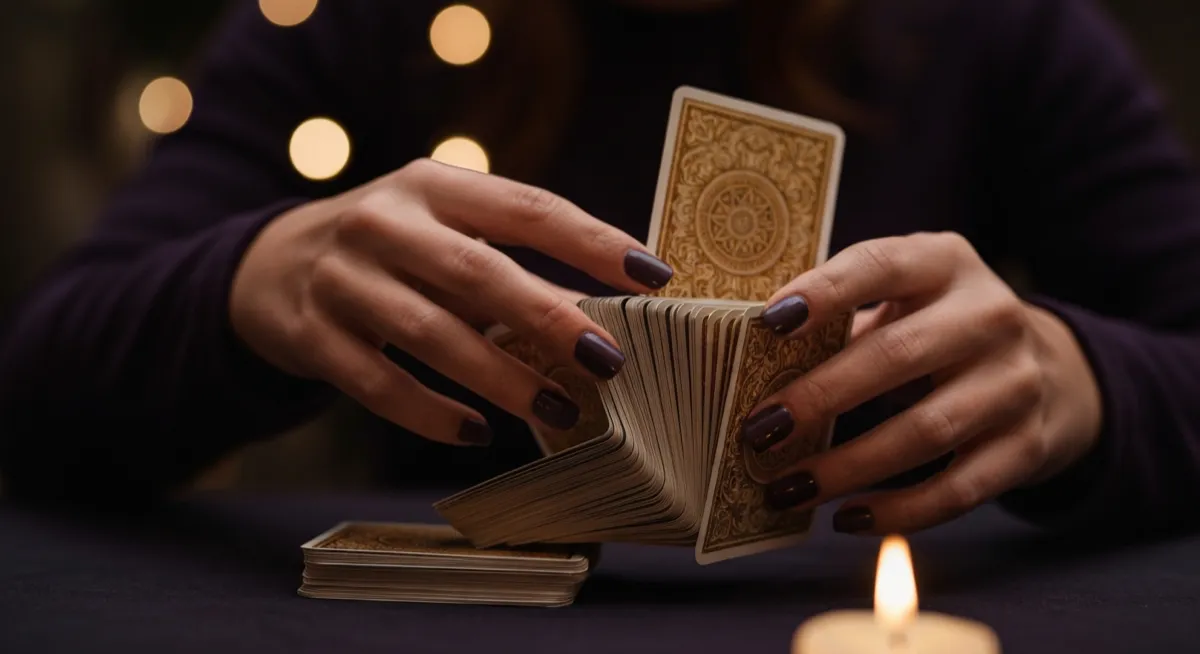
How to Shuffle Tarot Cards: 5 Methods for Every Reader
There is no wrong way to shuffle tarot cards, but some methods feel more natural than others. Here are five shuffling techniques, tips for breaking in a new deck, and how to know when to stop.