Tarot Journal Prompts: 30 Questions to Deepen Your Practice
A tarot journal turns fleeting readings into lasting insight. These 30 prompts give you something meaningful to write about every time you pull a card — whether you have been reading for a week or a decade.
Why Keep a Tarot Journal?
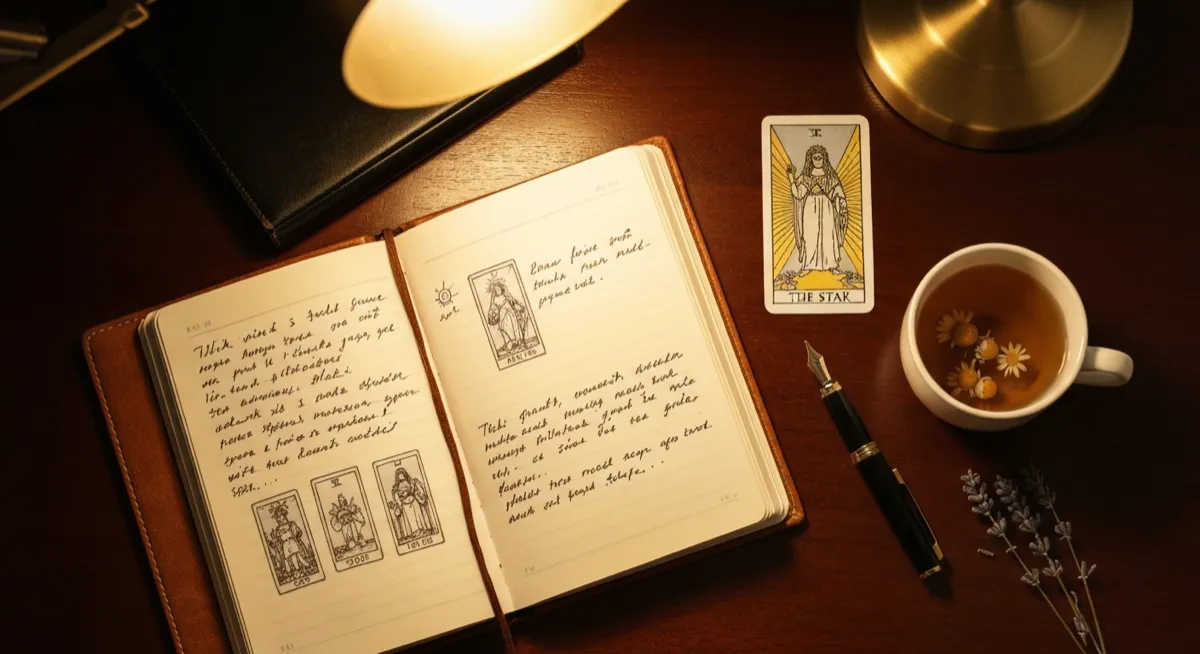
A tarot reading lasts a few minutes. The insight it delivers should last much longer, but without a written record, most of the nuance evaporates within hours. You remember that you pulled the Three of Swords, but you forget the specific thought that crossed your mind when you turned it over, the way it connected to a conversation you had that morning, or the quiet realization that settled in as you sat with the image.
A tarot journal captures all of that. It transforms each reading from a passing experience into a permanent record that you can revisit, reinterpret, and learn from. Over weeks and months, patterns emerge that are invisible in individual readings — cards that keep appearing, themes that recur, predictions that played out exactly as the cards suggested.
Beyond pattern recognition, journaling forces you to articulate what you see in the cards, and articulation deepens understanding. There is a difference between vaguely feeling that a card "means something" and writing a clear sentence about what it means to you right now. The act of writing turns intuition into insight.
You do not need a fancy journal. A simple notebook, a document on your phone, or even a spreadsheet will work. What matters is consistency — writing something, even a single sentence, after every reading.
Daily Card Pull Prompts (1-10)
These prompts work best with your daily single-card pull. Use one each day or rotate through them as you like.
1. What is my first gut reaction to this card, before I think about its "official" meaning?
2. If this card could speak one sentence to me right now, what would it say?
3. What area of my life does this card feel most relevant to today — love, career, health, personal growth, or something else?
4. Is there something in this card's image that I have never noticed before? What drew my eye today?
5. How does this card connect to what happened yesterday? Does it continue a theme or introduce a new one?
6. If I were to give this card's message to my best friend, how would I explain it in plain language?
7. Does this card make me feel hopeful, cautious, or something else entirely? Where does that feeling live in my body?
8. What is one small action I can take today that aligns with this card's energy?
9. Which keyword for this card resonates most strongly right now, and why that one instead of the others?
10. If this card appeared in a reading about my biggest current challenge, what would it advise?
Spread Reflection Prompts (11-20)
Use these after a multi-card reading to process the full spread rather than individual cards.
11. Looking at all the cards together, what is the story they are telling from left to right?
12. Which card in the spread immediately grabbed my attention, and which did I want to ignore? What does that avoidance tell me?
13. Are there any suits that dominate this spread? What does the concentration of Cups, Swords, Wands, or Pentacles suggest about the energy around my question?
14. Did any Major Arcana cards appear? If so, what is their presence saying about the significance of this situation?
15. If I had to summarize this entire reading in one sentence, what would it be?
16. Is there a card in this spread that contradicts the others? What might that tension mean?
17. How does the outcome card (or future card) make me feel? Am I relieved, anxious, surprised, or something else?
18. What would change in this reading if I reversed the card in the central position? Would the story shift dramatically or only subtly?
19. Based on this reading, what is one thing I need to accept, and one thing I need to change?
20. Come back to this entry in two weeks. Did the reading play out the way the cards suggested? What was accurate and what was not?
Deep Dive Prompts (21-25)
These prompts are for focused study sessions when you want to go deeper with a single card.
21. Pull a card and study its image for a full minute without reading any guidebook. Write down every detail you notice — colors, symbols, body language, background elements, the direction figures are facing, what they are holding.
22. What life experience of mine does this card most remind me of? Write about that experience and how the card captures its essence.
23. If this card were a person I know, who would it be and why? What qualities do they share with the card's energy?
24. Write a short conversation between yourself and the figure on this card. What would you ask them? How would they respond?
25. Research one symbol on this card that you do not fully understand — the pomegranates on The High Priestess, the infinity symbol above The Magician, the dog and wolf on The Moon. Write down what you learned and how it changes your understanding of the card.
Monthly Review Prompts (26-30)
Use these at the end of each month to review your journal entries and identify patterns.
26. Which card appeared most frequently this month? What might the repetition be telling me?
27. Was there a card that surprised me this month — one whose meaning I understood differently than before? What caused the shift?
28. Looking at my readings from the past four weeks, do I see a narrative arc? Is there a story my cards have been telling me across multiple readings?
29. What is one thing I have learned about myself through tarot this month that I did not know (or was not willing to admit) 30 days ago?
30. Based on everything my cards have shown me this month, what intention do I want to set for next month? Pull a single card to confirm or guide that intention, and write about what comes up.
These five prompts turn your journal into more than a reading log. They transform it into a tool for genuine self-discovery. The daily entries capture the moments. The monthly reviews reveal the meaning. Together, they create a practice that grows richer and more rewarding with every page you fill.
Tips for Sticking With Your Journal
Write immediately after your reading, while the impressions are fresh. Even a single sentence is better than a blank page. Do not wait until you have time for a long entry — most of your entries will be three to five sentences, and that is perfectly fine. The goal is consistency, not literary perfection.
Date every entry. You will want to look back and connect your readings to what was happening in your life at that time. Without dates, your journal loses half its value as a reference tool.
Do not censor yourself. Your tarot journal is private. Write your honest reactions, even if they feel petty, confused, or irrational. The entries where you wrote "I have no idea what this card means and I feel frustrated" are often the most revealing when you revisit them later with fresh eyes.
Review regularly. A journal you never re-read is just a diary. Set a monthly reminder to flip back through the past four weeks of entries. The patterns you discover in review are where the real growth happens.
Consider including a small sketch or photo of your daily card. Visual records are powerful memory anchors, and you do not need artistic skill — even a rough doodle helps your brain encode the card's imagery more deeply than words alone.
Continue Exploring
More From the Blog
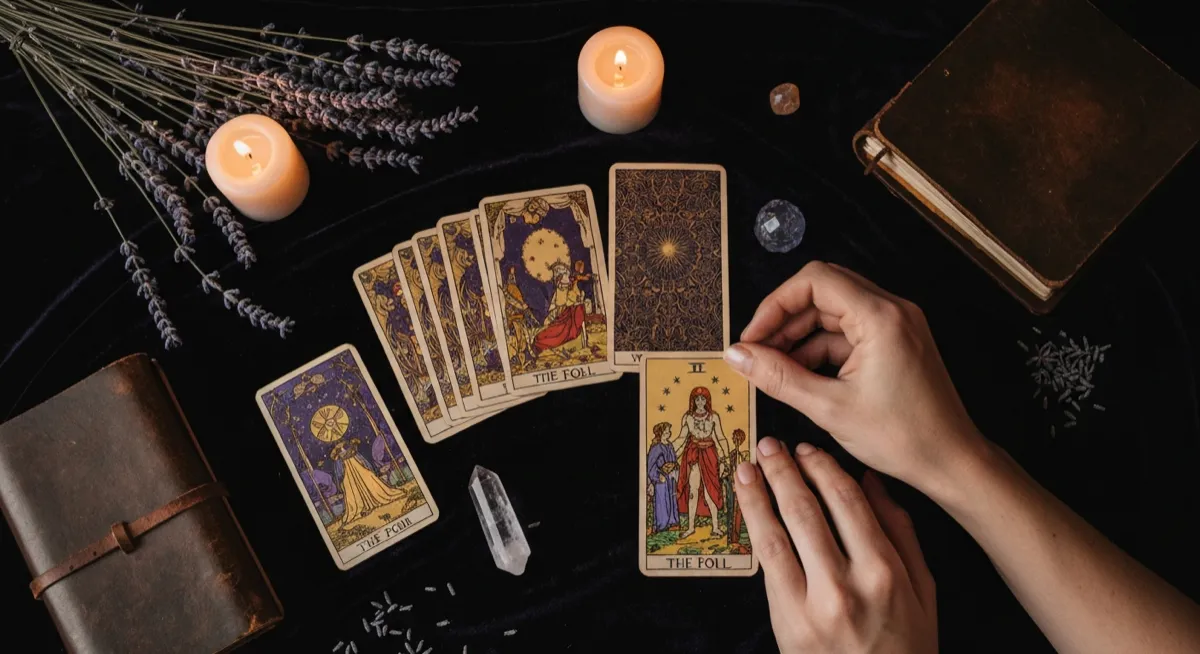
How to Read Tarot Cards for Beginners
Everything you need to start reading tarot cards today. From choosing your first deck to performing your first three-card spread, this guide walks you through each step without overwhelming you.
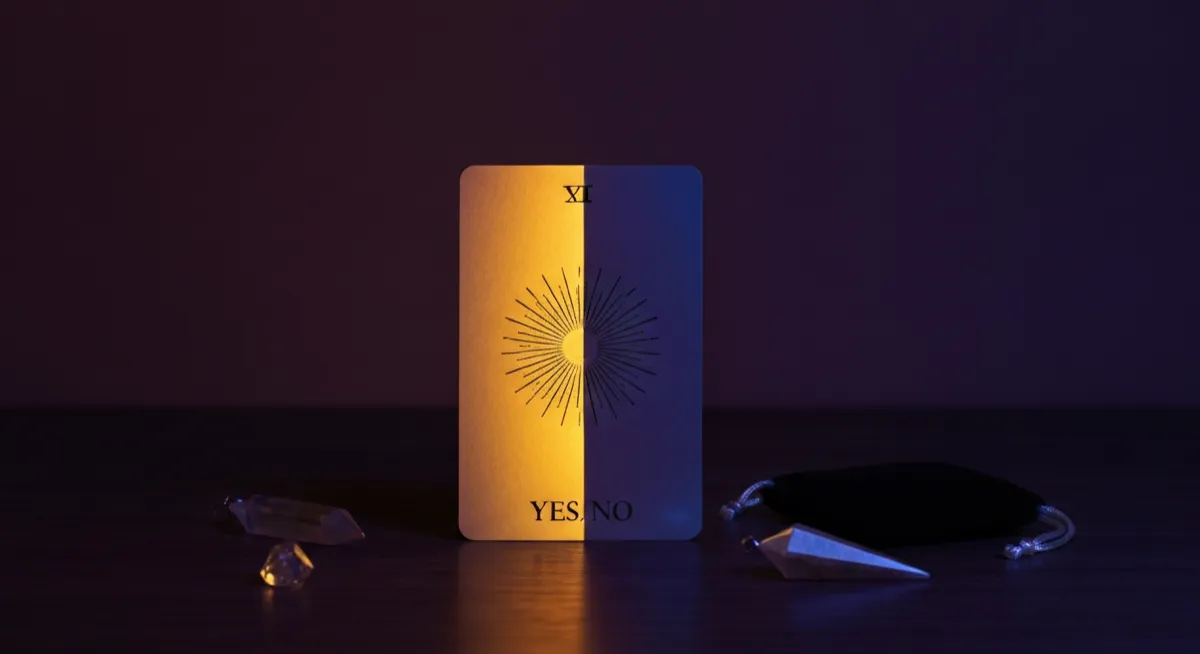
Yes or No Tarot: How It Works and What Each Card Means
Sometimes you need a straight answer. Yes or no tarot gives you one — but context matters. Learn how this popular spread works, what every card means, and when a simple yes or no is the right question to ask.
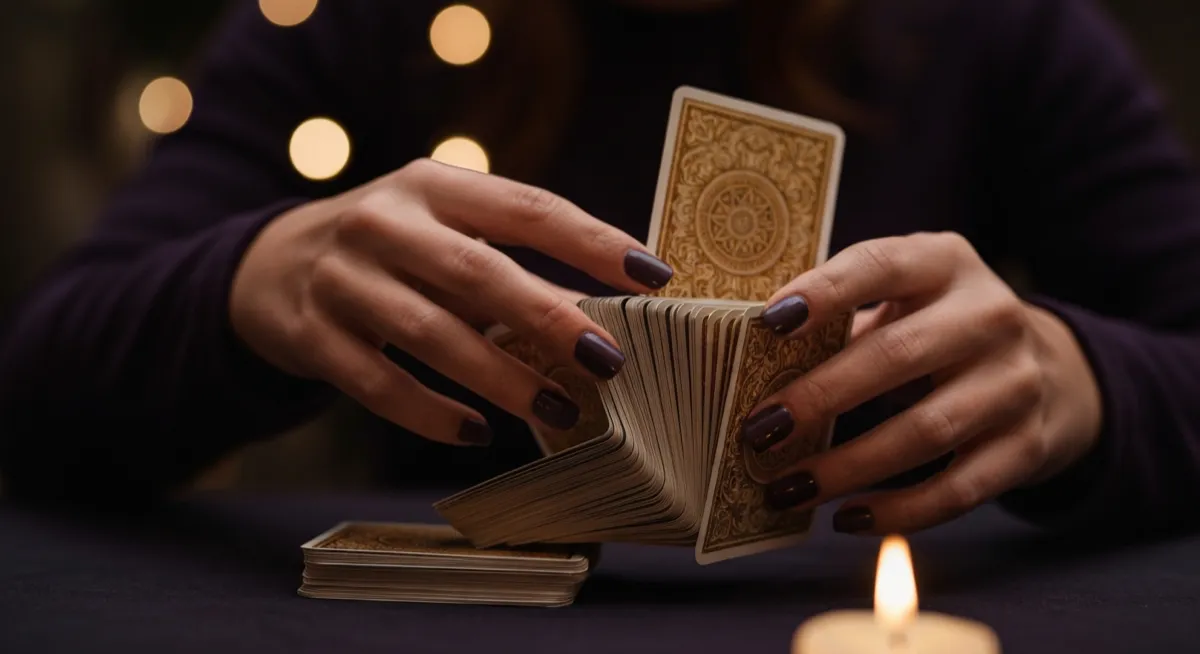
How to Shuffle Tarot Cards: 5 Methods for Every Reader
There is no wrong way to shuffle tarot cards, but some methods feel more natural than others. Here are five shuffling techniques, tips for breaking in a new deck, and how to know when to stop.